When Our Reactions Sidestep Rational Thought
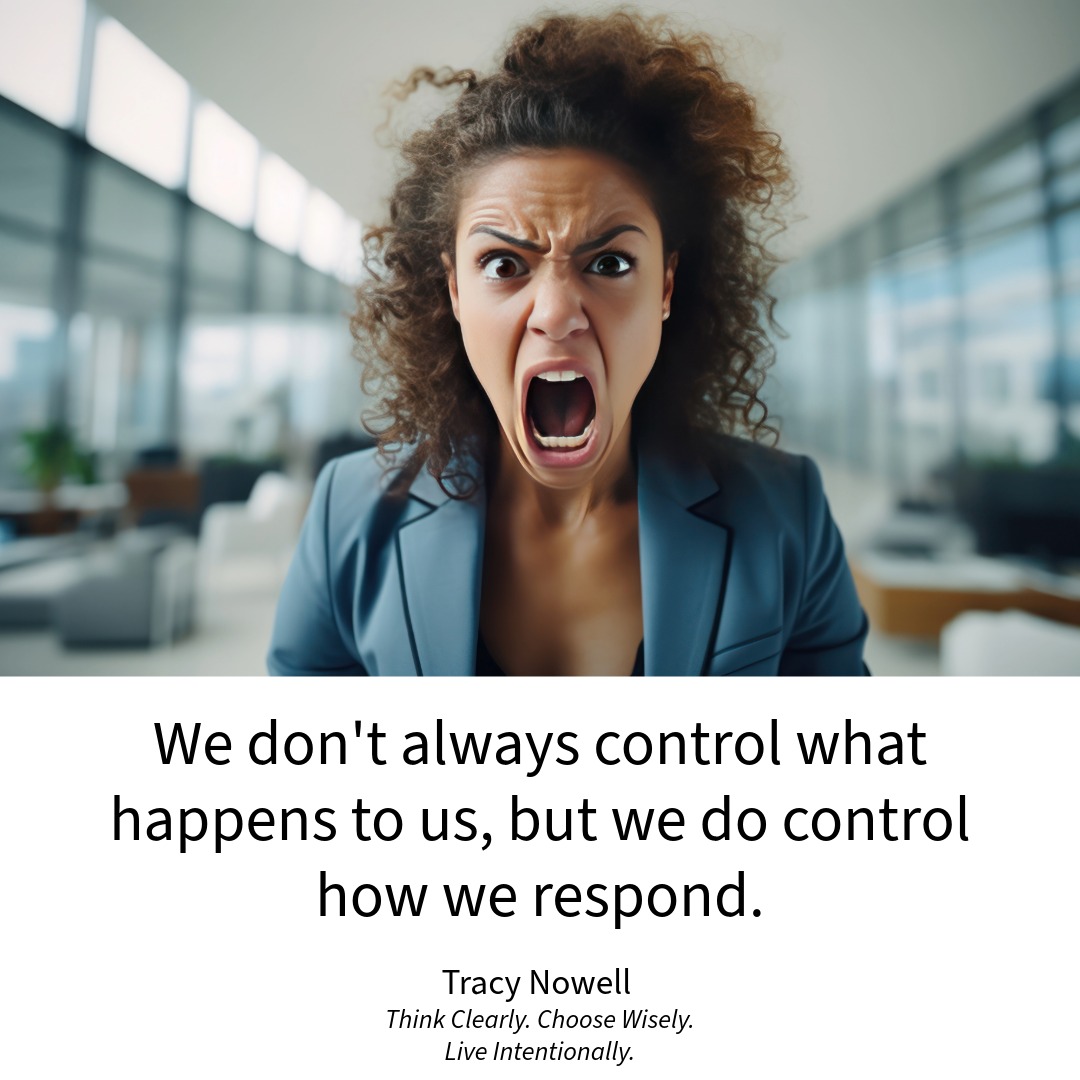
Wouldn't it be great if we could sometimes hit the rewind button and get a "do-over" when we haven't handled a person, situation or circumstance as well as we could have?
For those who agree with this sentiment, there is hope for doing better the next time because they recognize that they could have handled things differently. That recognition requires both awareness and humility.
The reality is that none of us is immune. We have all said something we regretted, reacted based on an incorrect assumption or let frustration, impatience or something else cloud our judgment.
Sometimes we recognize our mistakes immediately. Other times, we may not recognize them at all. And even when we acknowledge that our behavior was inappropriate or harmful, recognizing what we did does not necessarily mean we understand why we did it.
What Lies Beneath Our Reactions?
Consider how two people can experience essentially the same circumstances yet react very differently.
One receives constructive criticism and appreciates the opportunity to improve. Another becomes defensive or angry. One encounters an unexpected setback and considers alternatives. Another immediately looks for someone to blame.
What accounts for those differences?
Several factors influence how we perceive, interpret and react to what happens around us.
-
What we believe happened.
Our understanding of events may be incomplete or inaccurate. We may overlook facts, misunderstand what someone said or did, or draw conclusions based on limited information, reacting to our perception rather than the truth about what actually happened.
-
What we assume it means.
Our beliefs, expectations and previous experiences influence how we interpret the words and actions of others. Someone questioning our decision may simply be seeking clarification, but we assume they are criticizing or disrespecting us.
-
What it triggers within us.
Even when we understand what happened, anger, fear, resentment, pride, insecurity, personal interests or a need for control can cloud our judgment. Sometimes the intensity of our reaction has less to do with the situation itself than with something it triggers within us.
These influences often overlap, making it difficult to recognize what drives our behavior.
But not every problematic reaction is impulsive or emotionally driven. Sometimes we deliberately behave in ways intended to produce a particular result.
We may use anger because it can make someone back down. Avoidance may provide temporary relief from uncomfortable responsibilities. Blaming others may deflect attention from our own shortcomings. When these behaviors appear to work in our favor, we may have little incentive to question them.
After reacting in a way we later recognize as inappropriate or harmful, we face another challenge. Rather than honestly examining what we did and why, we may attempt to justify our behavior, excuse our actions or shift responsibility elsewhere.
-
Treating our behavior as an unchangeable part of who we are.
“That's just the way I am.”
-
Placing responsibility for our reactions on someone else.
“They know how to push my buttons.”
-
Using another person's actions to excuse our own response.
“I wouldn't have reacted that way if they hadn't done that.”
-
Downplaying the seriousness or consequences of our behavior.
“It wasn't that big of a deal.”
-
Presenting our behavior as reasonable rather than honestly examining what motivated it.
“I was only trying to teach them a lesson.”
There is a difference between understanding why we reacted a certain way and using those reasons to justify our behavior. Recognizing the circumstances or internal struggles that contributed to a reaction does not excuse how we responded.
When we fail to examine what drives our behavior, reactions that might otherwise have been isolated incidents can become patterns that damage relationships and undermine credibility.
From Reaction to Rational Thought
So, how do we move beyond habitual or impulsive reactions, exercise better judgment and handle difficult situations more effectively?
A familiar verse from the Bible offers some practical wisdom -
"Let everyone be quick to listen, slow to speak, slow to anger." - James 1:19 (NRSV)
Reflecting on this verse, my own shortcomings and observations of others, I would apply its principles to our reactions this way -
Be quick to listen, learn and think, slow to speak or react and slow to let emotions overtake rational thought.
Be Quick to Listen, Learn and Think
Our initial understanding of a situation may not be as accurate or complete as we believe.
Listening requires making an effort to understand what others are communicating, including perspectives that may differ from our own.
Learning involves curiosity, seeking clarification, considering additional information and questioning assumptions we may have already made.
Thinking requires evaluating what we have heard and learned, examining the facts and considering whether our initial conclusions are reasonable.
These actions become particularly important when we feel certain that we already understand what happened or why someone behaved a certain way. That certainty can keep us from considering information or perspectives that challenge our interpretation.
Being quick to listen, learn and think means seeking to understand before assuming we already do.
Be Slow to Speak or React
Being slow to speak or react means tapping the brakes before saying or doing something we may later regret.
Not every circumstance allows time for extended reflection. Sometimes situations require immediate decisions, difficult conversations or decisive action.
But acting promptly and reacting impulsively are not the same thing.
Even a brief pause can help us distinguish what is actually happening from what we initially believe. It may prevent us from responding to criticism that was never intended, escalating an unnecessary disagreement or making a decision based on incomplete information.
The objective is not to avoid difficult situations, but to handle them without allowing our initial thoughts or feelings to dictate our actions.
Slowing down creates an opportunity to think, but what we do with that opportunity determines whether we exercise good judgment.
Be Slow to Let Emotions Overtake Rational Thought
Emotions are a natural part of being human, but when they take control, rational thought becomes difficult.
Anger may cause us to focus on defending ourselves rather than understanding what happened. Fear may lead us to assume the worst. Pride may make acknowledging a mistake more difficult than continuing to defend it.
Strong emotions can narrow our perspective and make what we feel seem more convincing than what the facts support.
That does not mean we should ignore our emotions. They may alert us to something important that deserves attention. But experiencing an emotion does not necessarily mean our interpretation is accurate or our intended reaction is appropriate.
The challenge is recognizing what we are feeling without allowing those emotions to govern our thoughts, words or actions.
Final Thoughts
Developing greater control over our reactions requires more than recognizing when we have handled something poorly. It requires understanding what influences our behavior, exercising sound judgment and being willing to address what needs to change.
Even when we believe our reactions are justified, we should consider whether our words and actions are appropriate, responsible and consistent with the principles we claim to live by.
And when we recognize that we have handled something poorly, understanding what went wrong is only part of the challenge. Some reactions reflect habits we need to change, others involve skills we need to develop, and still others require confronting beliefs, expectations or personal interests we have been unwilling to question.
If we genuinely want to exercise greater control over our reactions, we must have the awareness to recognize what needs to change and the humility to acknowledge that the change must begin with us.
The same principles apply when we find ourselves dealing with the reactions of others.
In my experience, when someone reacts in a way that seems unreasonable or inappropriate, I have learned to be curious about what may be behind their reaction rather than impulsively reacting myself. That does not mean excusing their behavior. It means recognizing that there may be more influencing their reaction than what I can see.
Dealing with the reactions of others requires self-control, curiosity and grace.
Self-control helps us manage our own reactions, curiosity encourages us to understand what may be behind theirs, and grace reminds us to consider the person beyond their behavior.
We may not be able to change how someone else reacts, but we can choose how we handle their reaction.
Proverbs offers a powerful analogy about the importance of self-control -
"A person without self-control is like a city with broken-down walls." - Proverbs 25:28 (NLT)
In Biblical times, protective walls were essential to a city's defense against outside threats. When I consider how this comparison applies to self-control, two things stand out to me - what we allow to influence us and how we manage our reactions.
-
Vulnerability - what we allow in.
The words, actions and opinions of others, difficult circumstances and outside pressures can affect us in ways we may not recognize. While we cannot always prevent these influences from affecting us, we can become more aware of what they trigger within us and better manage their influence on our behavior.
-
Restraint - what we allow out.
Without self-control, we may allow these internal influences to govern our reactions, creating unnecessary conflict, damaging relationships or leading to words, actions or decisions we later regret.
When we allow our reactions to sidestep rational thought, we often create the very problems that sound judgment and self-control could have prevented.